‘Crash’ is quite a different movie in 2024. I hadn’t expected that when I sat down to watch it again.
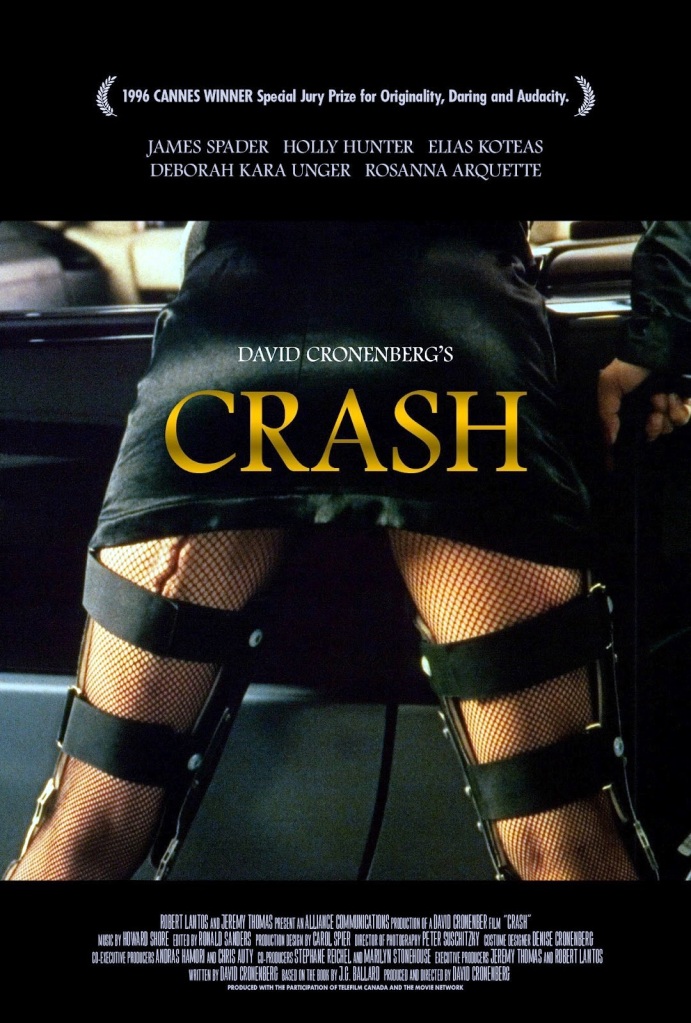
Like the ‘unfilmable’ book it’s based on, David Cronenberg’s movie caused outrage from both the political right and left. I always think art has hit pay dirt whenever that happens, drilled down to something deep.
A man crashes his car, injuring himself and leaving the woman in the passenger seat of the other motor a widow. What follows is a slow realisation, by almost every character we meet, that cars, car crashes and- most potently- celebrity car crashes offer a new erotic landscape for the human brain.

Its sci-fi of the now, like much of JG Ballard’s fiction, and as the plot expands we begin to suspect that simply everyone in the cold and alienating modern world would like nothing better than to fuck a leg wound in, say, Taylor Swift’s overturned and twisted limo.
It’s perfect territory for Cronenberg’s body horror niche whilst simultaneously tempering his excesses. It’s a hard film to like but it’s an easy movie to get lost in.
Crash invents a whole new eroticism but it also shows us a community, small and loyal, that’s trying to figure this new sexuality out, one which is neither ‘straight’ nor ‘queer’ but will use the physical couplings of either to accentuate and sustain itself.
Clearly, Ballard had an intense instinct back when he wrote the book in ‘74. He could sense something and Crash was him flailing wildly to touch it.
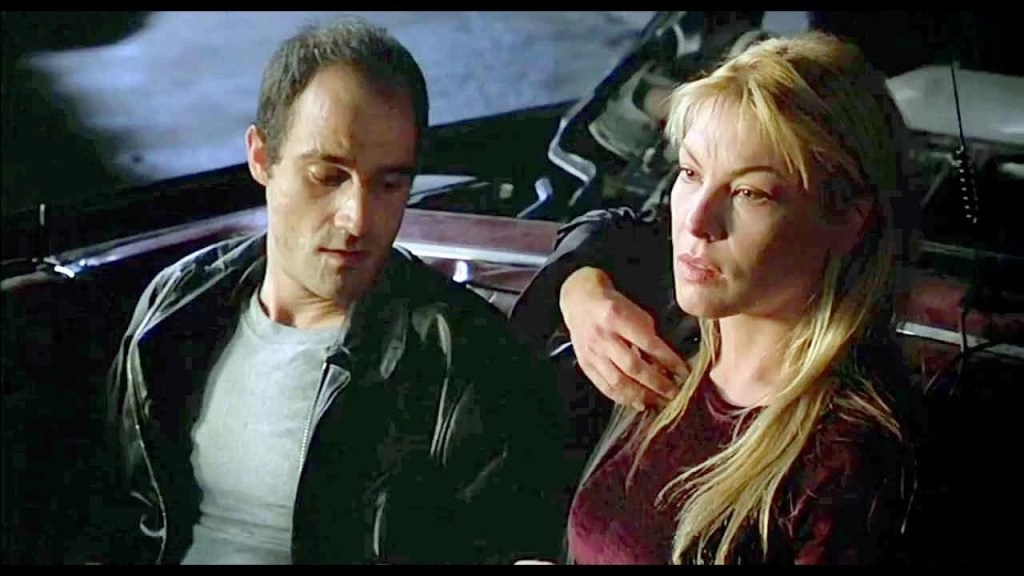
Now, in the 2020s, it’s an exciting age for sexuality and gender, a half-visible landscape where new identities are being felt out and discovered. Ballard, and by extension this movie, got that very early on, that we could be in the driving seat of our desires and our self-image, that we would find others who feel the same. That’s what strikes me about watching Crash now, despite its cold menace: people creating their own definitions of beauty and desire. Crash is an intellectually scary SF film but, seen these days, it’s an oddly liberating one. If taken as metaphor.
Also the score is by Howard ‘Lord Of The Rings’ Shore. Talk about Range…

 J.L. Worrad